

TeraLumen Solutions

Terahertz Technology

 
Customer Portal

Pharmaceutical Tablet Quality with Terahertz Technology (Analytical and Pharma): A New Standard for Real-Time Inspection

Analytical and Pharma

Why Tablet Quality Matters in Pharmaceutical Manufacturing

Analytical and Pharma

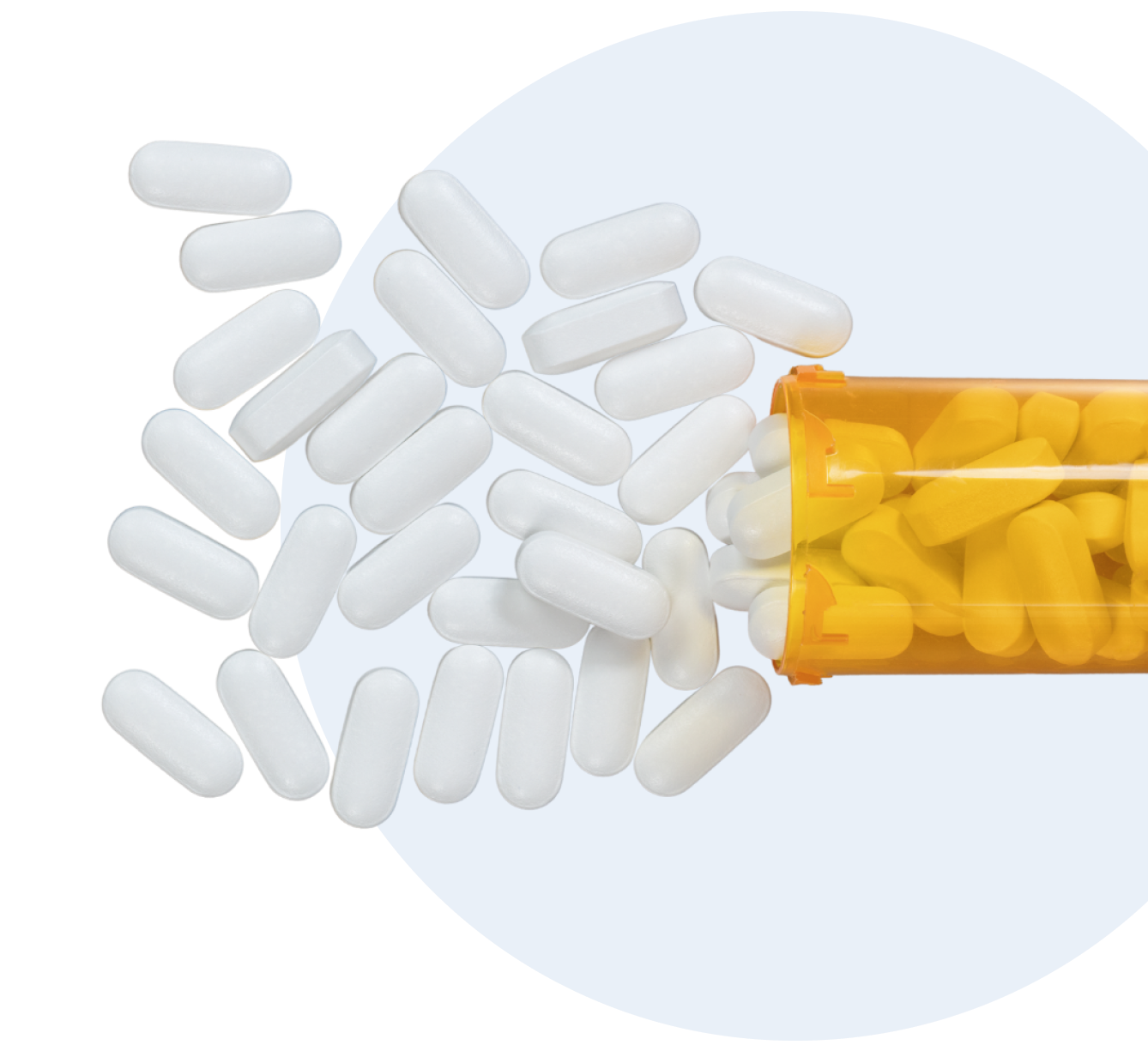
Ensuring consistent pharmaceutical tablet quality is critical – not just for regulatory compliance, but for safeguarding patient health and drug efficacy. Traditionally, tablet quality control has relied on batch-wise, destructive testing. This process is time consuming, delays feedback, and results in significant chemical and material waste.

A major gap in pharmaceutical production is the lack of inline quality assurance. Defects such as improper compaction, inconsistent thickness, internal voids, or poor coating uniformity can lead to ineffective drug delivery and financial loss for manufacturers and healthcare providers. Addressing this real-time quality control gap is essential to improve manufacturing efficiency, reduce waste, and strengthen brand trust.

Table 1

Technique Advantages Limitations
Optical Coherence Tomography
Non-destructive, high-resolution
Limited penetration depth, surface curvature influence
Ultrasound Attenuation
Non-destructive, suitable for various shapes
Requires contact, limited by material properties
X-ray Imaging
Penetrates dense coatings, detailed images
Requires radiation protection, typically used offline
Microwave Reflectometry
Rapid, suitable for online monitoring
Accuracy affected by shape and roughness
Raman Spectroscopy
High chemical specificity, measures multiple layers
Limited penetration, influenced by composition

Table 1: Advantages and limitation of Existing tablet coating measurement techniques

Terahertz Technology: A Breakthrough in Inline Tablet Quality Control

Terahertz time-domain spectroscopy (THz-TDS) is revolutionizing the way pharmaceutical tablets are inspected. This non-destructive, high-speed inspection method allows manufacturers to analyze tablets inline during production—without halting the process or damaging the product.

Terahertz waves can penetrate deep into tablets, providing real-time, contactless measurement of critical parameters such as:

  • Tablet thickness

  • Porosity and internal density

  • Coating integrity

  • Layer-specific structure (for multilayer or coated tablets)

Unlike traditional techniques, THz technology offers comprehensive insights in a single scan—ensuring faster, more reliable, and repeatable quality checks.

Analytical and Pharma

How Terahertz Time-Domain Spectroscopy Works

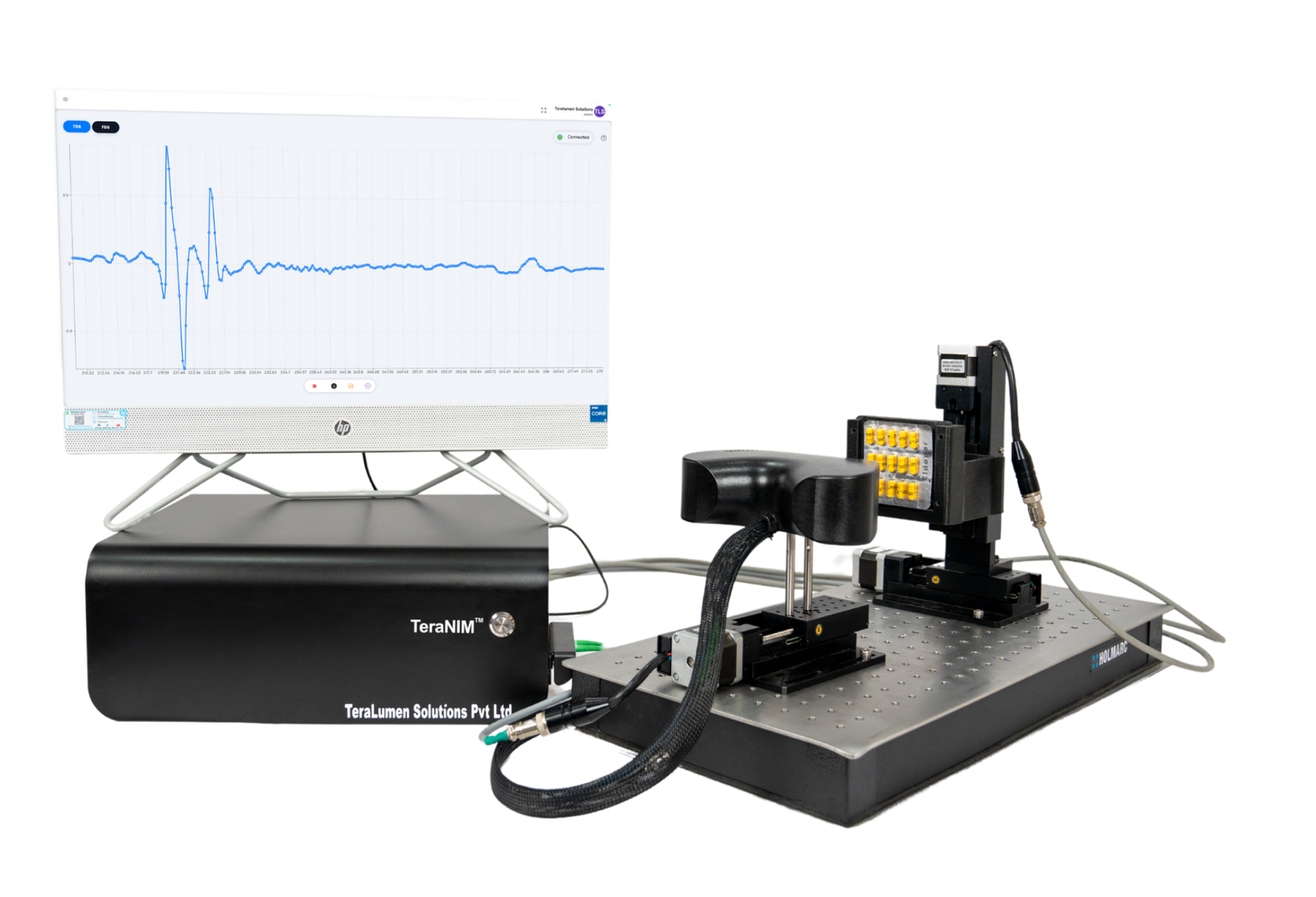
The core of this innovation lies in terahertz pulse reflection and transmission analysis. In a setup like TeraLumen’s proprietary reflection-based system, short bursts of THz energy are directed at the tablet, and the reflected and transmitted signals are captured.

This wave interaction reveals:

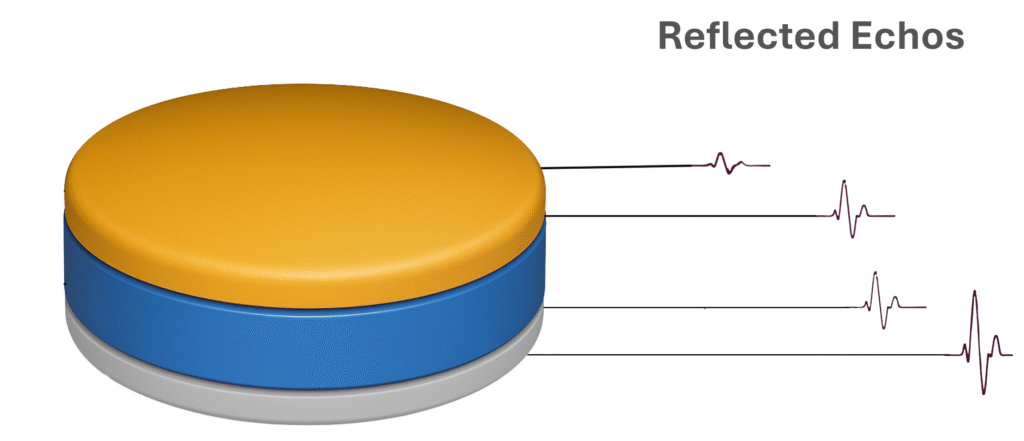
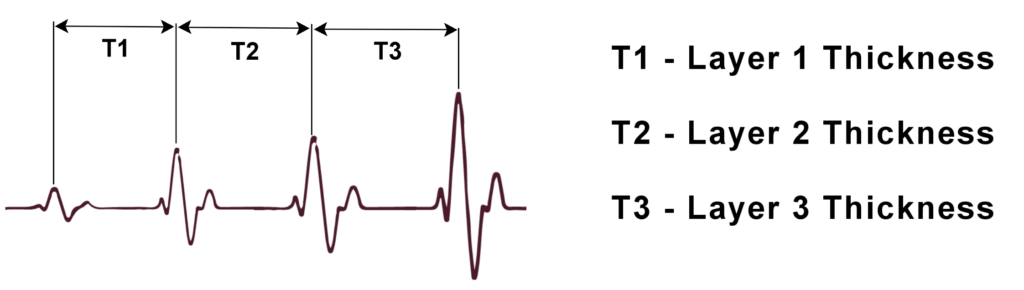
  • Tablet Thickness: Determined by the time delay between reflections from the top and bottom surfaces.

  • Porosity: Inferred from changes in the wave’s speed through the tablet, linked to its effective refractive index. More air gaps slow the wave, indicating lower density.

This single-shot analysis delivers accurate data on the tablet’s internal structure—noninvasively, instantly, and with high precision. It’s ideally suited for real-time quality assurance in high-throughput pharmaceutical production lines.

Analytical and Pharma
Multi-layer coating thickness measurement,Analytical and Pharma

Fast & High

resolution Imaging

Multi-layer coating thickness measurement,Analytical and Pharma

Real Time

Monitoring

Multi-layer coating thickness measurement,Analytical and Pharma

Multi-Layer

Measurement

Multi-layer coating thickness measurement,Analytical and Pharma

Depth

Penetration

Multi-layer coating thickness measurement,Analytical and Pharma

Surface Density

Characterization

Multi-layer coating thickness measurement,Analytical and Pharma

Upto 3.5 THz

bandwidth

Analytical and Pharma

The table below provides a comparison of key metrics between Terahertz technology and existing measurement technologies.

Technique Terahertz Technology Optical Coherence Tomography Ultrasound Attenuation X-ray Imaging
Depth Penetration
High
Low
Moderate
High
Non-destructive
Yes
Yes
Yes
No
Resolution
High
High
Moderate
High
Real-Time Monitoring
Yes
No
No
No
Multi-Layer Measurement
Yes
No
No
No

Conclusion: Toward Smarter, Safer Pharmaceutical Manufacturing

The shift from end-of-line testing to real-time, inline pharmaceutical tablet inspection is transforming quality control standards. Terahertz imaging technology plays a pivotal role in enabling this transition by providing fast, accurate, and non-destructive measurements of key tablet attributes like thickness and porosity.

By integrating terahertz systems in pharmaceutical manufacturing, companies can achieve:

  • Improved product consistency

  • Reduced waste and rework

  • Faster feedback and corrective actions

  • Enhanced patient safety

As the pharmaceutical industry moves toward smarter, data-driven production, terahertz-based tablet inspection is becoming a cornerstone for quality-centric, cost-effective, and compliant drug manufacturing.

Analytical and Pharma
Pharmaceutical Tablet Quality Inspection with Terahertz Technology

Pharmaceutical Tablet
Quality Inspection

Terahertz Technology for Non-Contact Tablet
Coating Thickness, Porosity and Internal Structure Analysis.

Pharmaceutical tablet quality depends on critical physical attributes such as film-coating thickness, coating uniformity, tablet thickness, porosity and internal density. Variations in these properties can influence tablet mechanical behaviour, disintegration, dissolution and the performance of functional or controlled-release coatings.

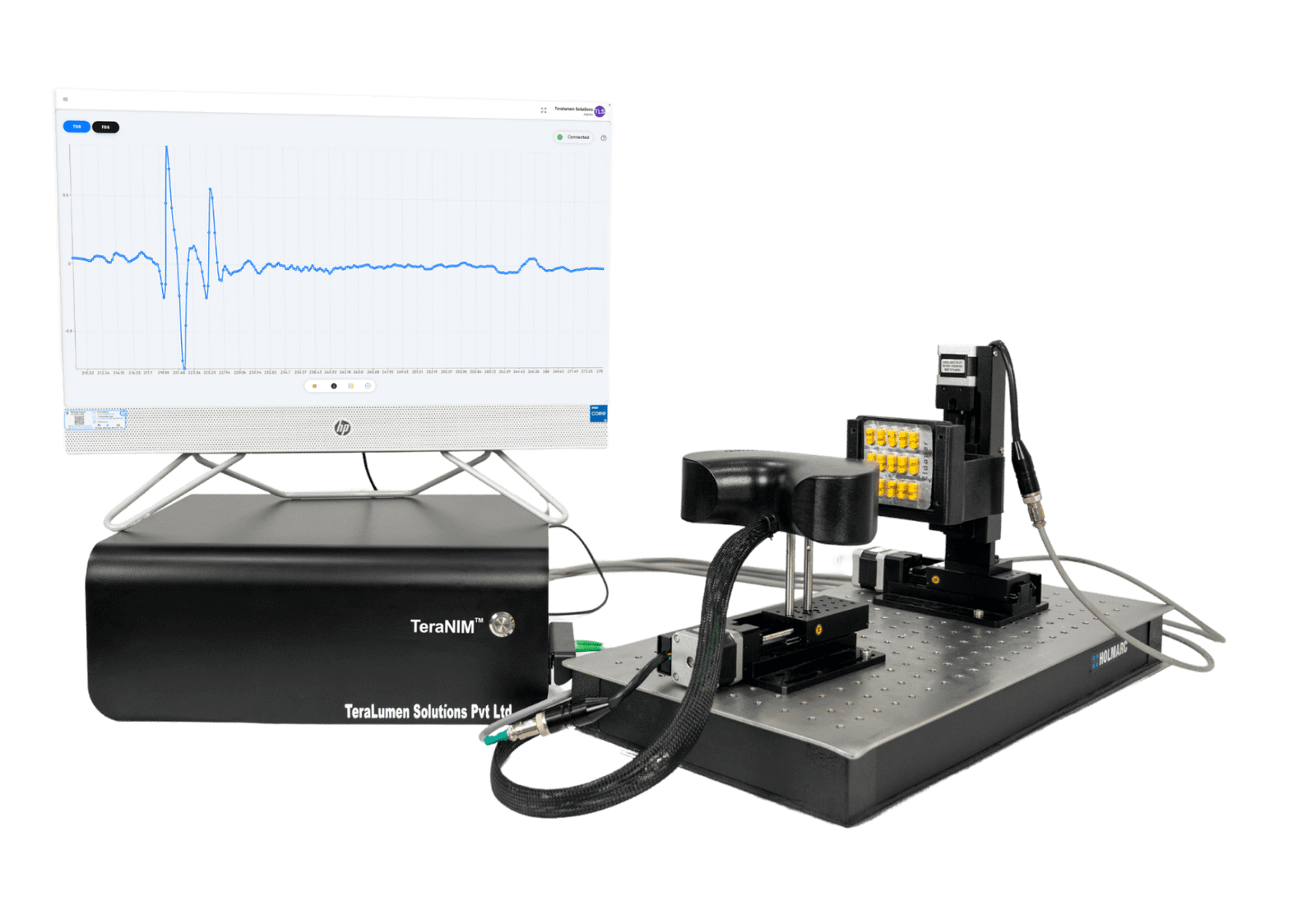
TeraXplor™ uses Terahertz Time-Domain Spectroscopy (THz-TDS) for non-contact and non-destructive tablet analysis, enabling pharmaceutical manufacturers and research teams to evaluate coating thickness, coating uniformity, tablet porosity, internal density and layer-specific structure without cutting or physically sectioning the tablet.
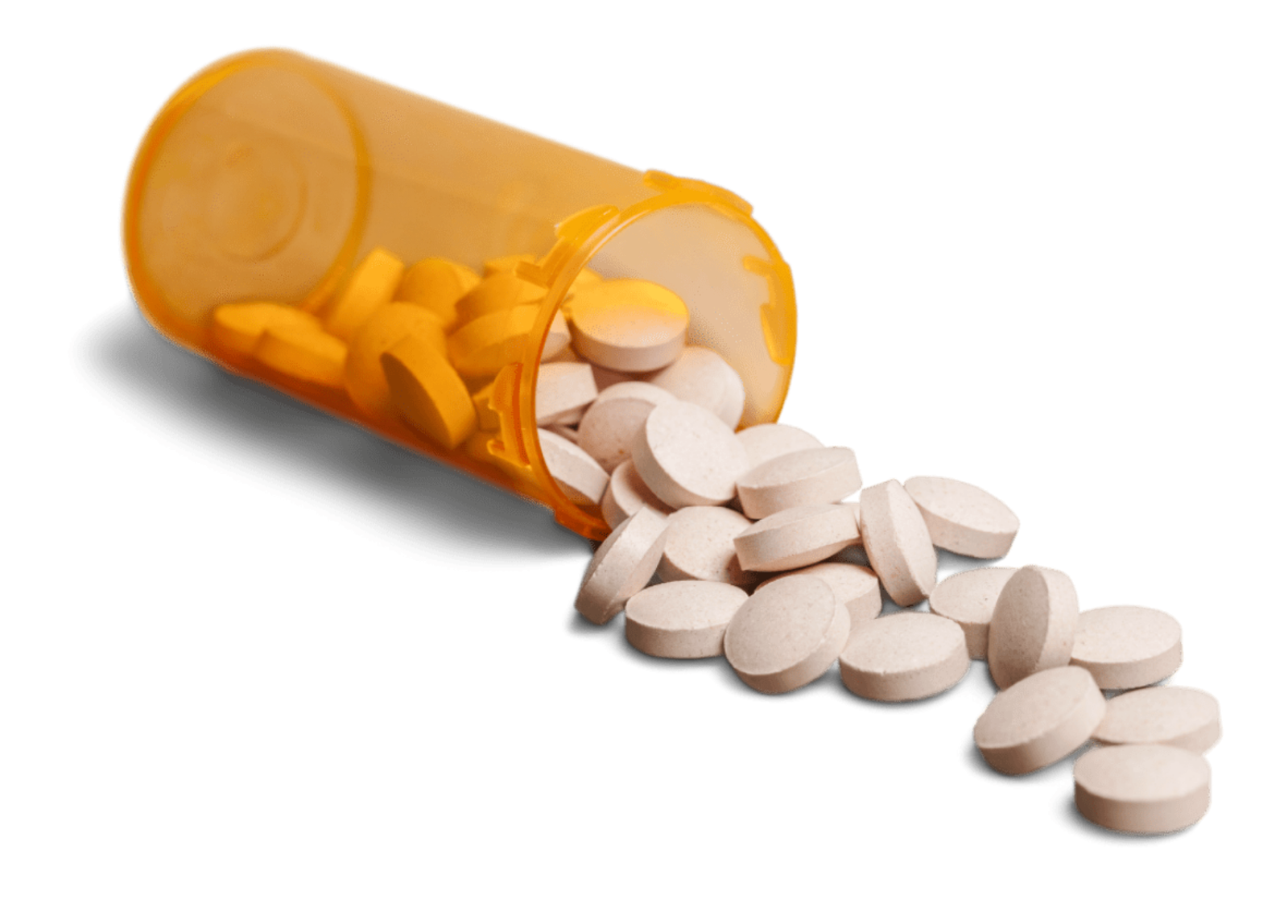
Pharmaceutical tablet coating quality inspection

Why Pharmaceutical Tablets Need Non-Contact Quality Inspection?

  • Coating thickness can vary across individual tablets and between tablets in the same batch
  • Coating uniformity can influence functional coating and drug-release performance
  • Tablet porosity and internal density can vary with compression and formulation conditions
  • Conventional laboratory tests often provide delayed or sample-based feedback
  • Non-contact measurement supports faster at-line and automated pharmaceutical quality control

Conventional Pharmaceutical Tablet Quality Challenges

Cross-Section Microscopy
Destructive Inspection
Offline / Batch Quality Testing
Sample-Based Inspection
  • Coating-thickness variation
  • Porosity / density variation
  • Multilayer tablet structures
  • Curved tablet geometry
  • Need for rapid non-contact inspection

How Terahertz Technology Works for Tablet Quality Inspection

TeraXplor™ directs a THz pulse toward or through the tablet and analyses the interaction of the THz signal with the coating and tablet core.

Air → Film Coating → Tablet Core
Coated tablet

TeraXplor Pharmaceutical Tablet Inspection Workflow

STEP 1
SCAN

Direct a THz pulse onto or through the pharmaceutical tablet and acquire the THz signal using the configured reflection or transmission measurement mode.

STEP 2
DETECT

Analyse the THz response from the tablet coating, core and internal interfaces to evaluate coating thickness, tablet thickness, porosity and internal density.

STEP 3
ANALYSE & REPORT

Calculate coating thickness, coating uniformity, tablet thickness, porosity and internal density, then generate the measurement result and digital QC record.
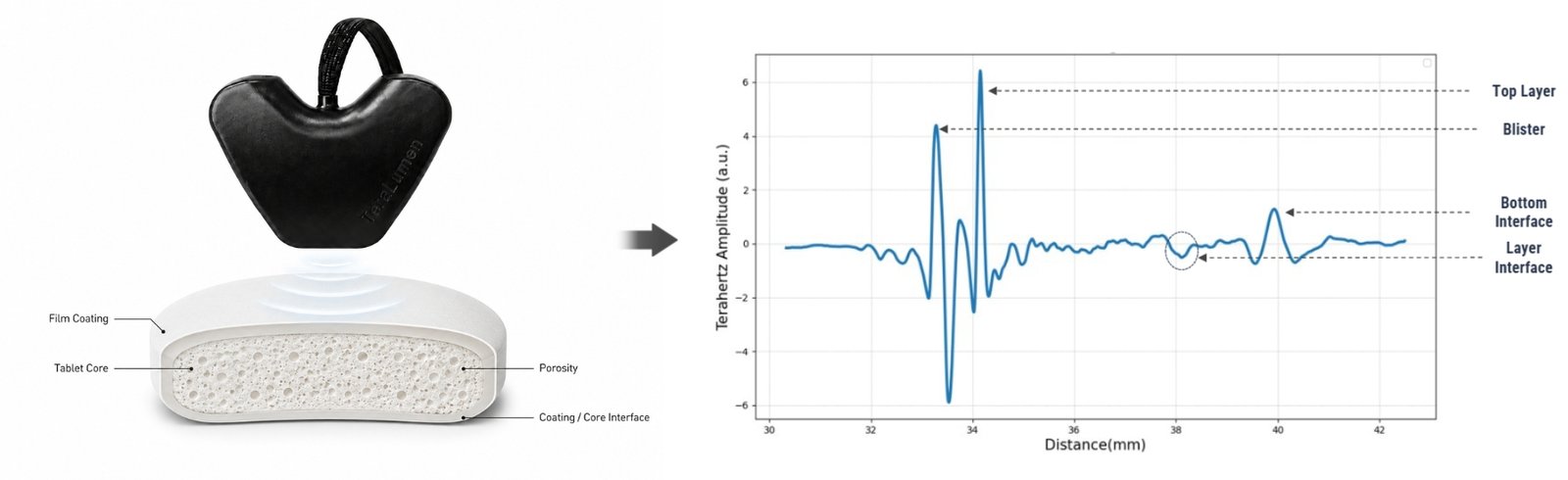
Terahertz inspection workflow diagram for pharmaceutical tablets

Key Advantages for Pharmaceutical Manufacturers & Research Organisations

  • Non-Contact Inspection — Tablet quality attributes can be evaluated without physical probe contact.
  • Non-Destructive Measurement — The tablet remains intact and can be retained for further testing where required.
  • Direct Coating Thickness Measurement — THz reflections can provide direct information about film-coating thickness on suitable coated tablets.
  • Porosity & Internal Density Analysis — THz propagation through the tablet provides information related to effective refractive index, which can be used for quantitative porosity analysis.
  • Coating Uniformity Mapping — Multiple measurement locations can show spatial coating-thickness variation across the tablet surface.
  • Automation Ready — THz measurement can be integrated with automated tablet handling and Process Analytical Technology workflows for faster manufacturing feedback. Research groups have demonstrated production-scale in-line coating measurements and automated pharmaceutical THz sensing.
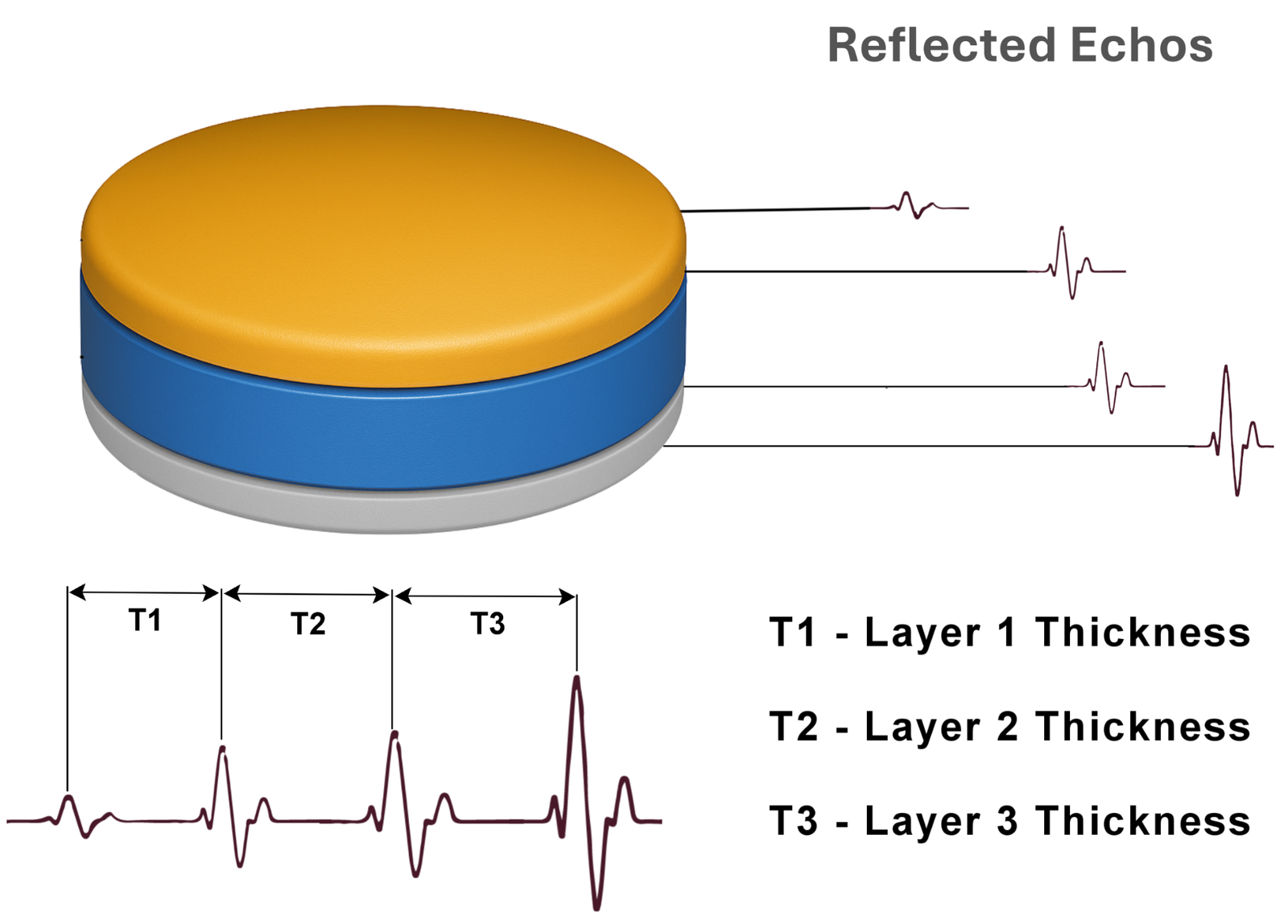
Terahertz inspection illustration for pharmaceutical tablets

Pharmaceutical Tablet Quality Control with TeraXplor™

TeraXplor™ provides a non-contact and non-destructive approach for evaluating critical physical attributes of pharmaceutical tablets. By combining THz reflection/transmission measurement, signal processing and digital analysis, the system can support tablet thickness measurement, film-coating thickness and uniformity analysis, porosity assessment, internal-density evaluation and multilayer tablet characterization.

Frequently Asked Questions

Can THz measure pharmaceutical tablet coating thickness?

Yes. Terahertz pulsed imaging has been widely demonstrated for non-destructive measurement of pharmaceutical film-coating thickness and coating distribution.

Can TeraXplor measure tablet porosity?

For suitable tablets, THz-TDS can be used to determine porosity from the measured effective refractive index together with an appropriate material model. Tablet composition and geometry should be considered during method development.

Can THz measure coating uniformity?

Yes. Measurements at multiple locations across the tablet can provide coating-thickness distribution information and identify variation in coating uniformity.

Does the tablet need to be cut for THz measurement?

No. THz measurement is non-destructive and can analyse suitable coated tablets without physical sectioning.

Can THz analyse multilayer or coated tablets?

Yes, when the individual layers provide sufficient THz contrast and can be resolved by the measurement system. Layer-specific structure in multilayer or coated tablets is identified as an application.

Can THz completely replace conventional pharmaceutical QC methods?

No. THz is an additional Process Analytical Technology tool for rapid structural and physical-property measurement. Pharmacopoeial tests, dissolution testing, chemical assays and other validated QC methods remain necessary according to the product and regulatory requirement.